
The complete guide
A Practical Guide to Choosing a Right-Handed Blade Putter
A putter can look right in a photo yet feel awkward once you stand over the ball. Your hands may sit too low, the head may feel unfamiliar, or the shape may distract you from the line. Choosing well starts with fit and a few clear specifications, not a promise of fewer putts.
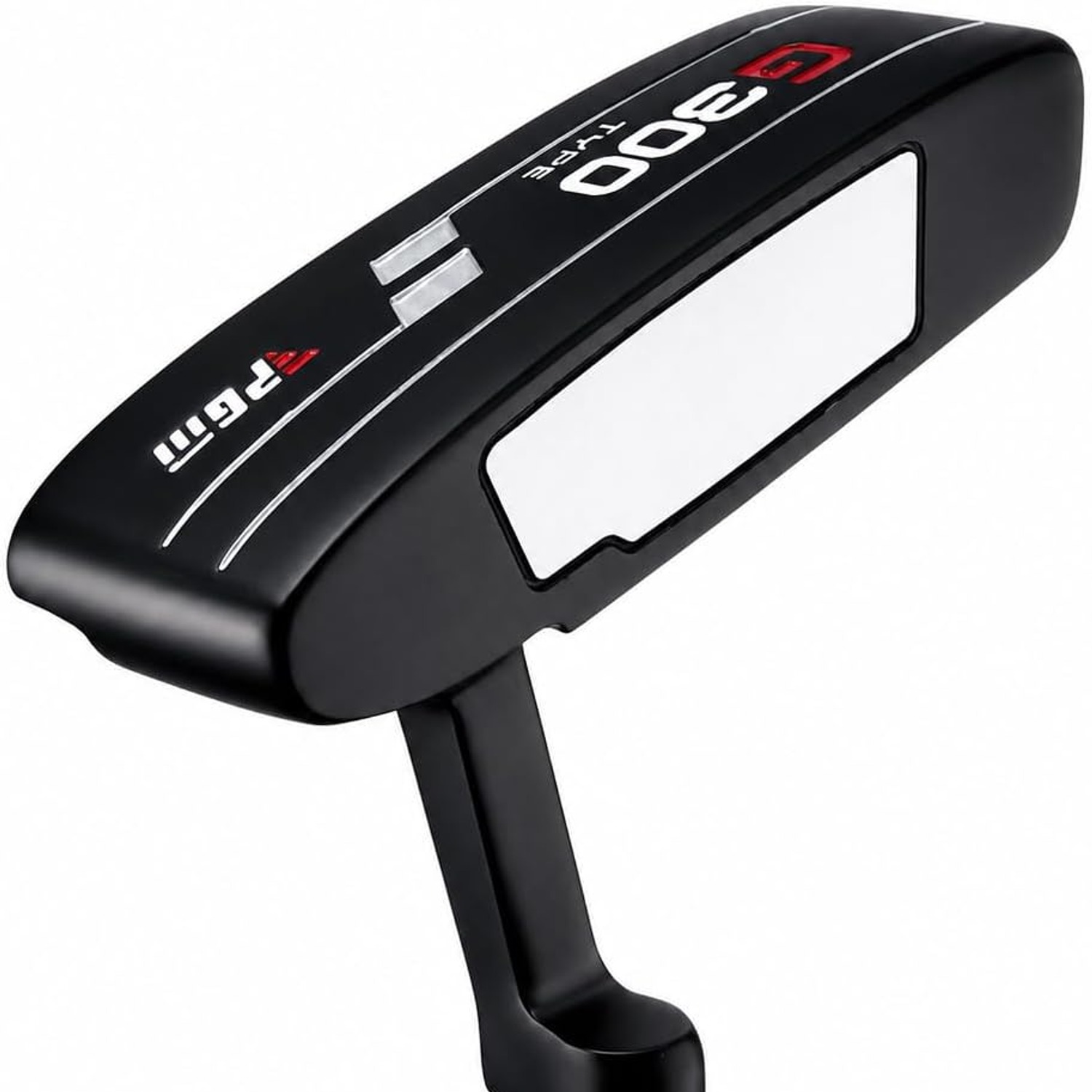
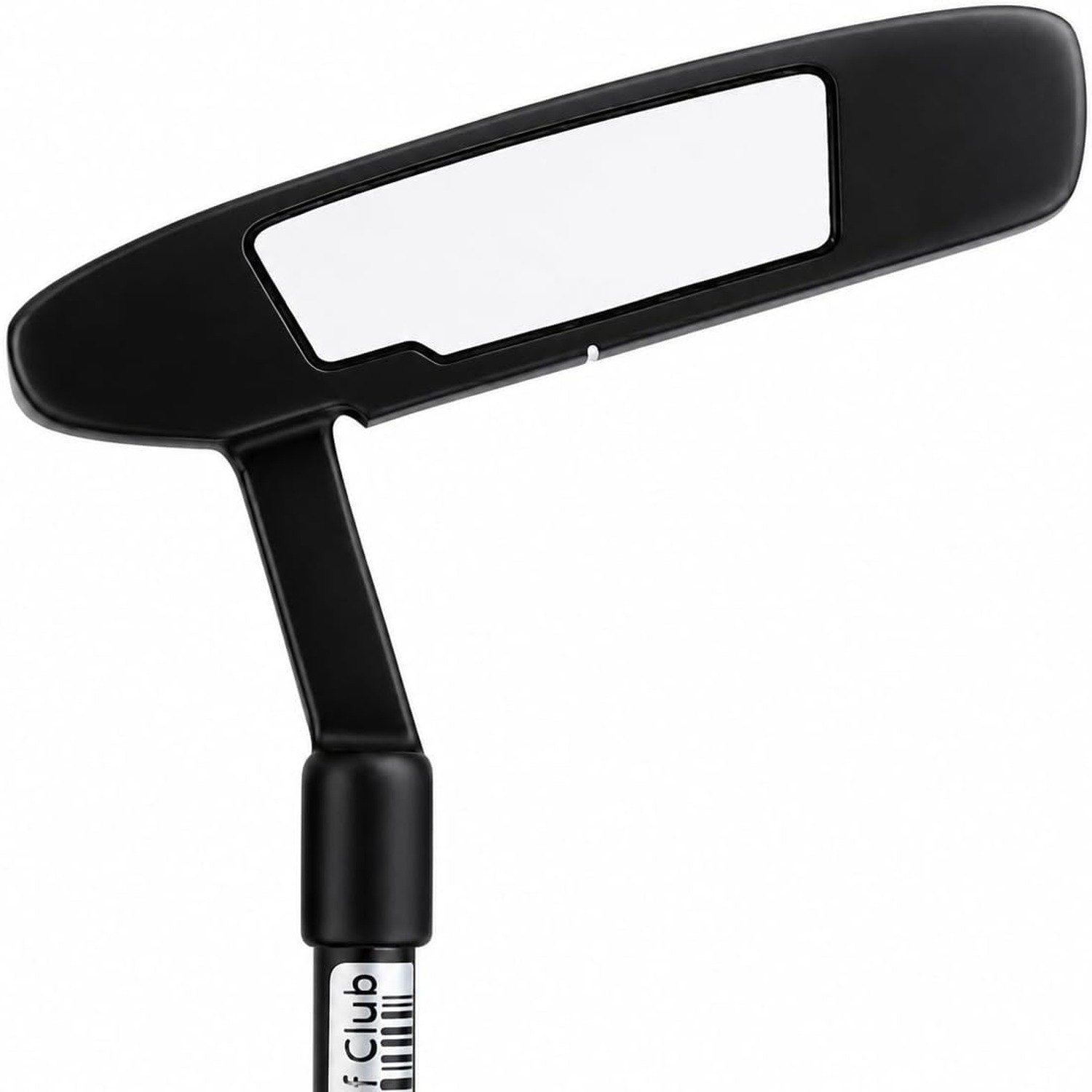
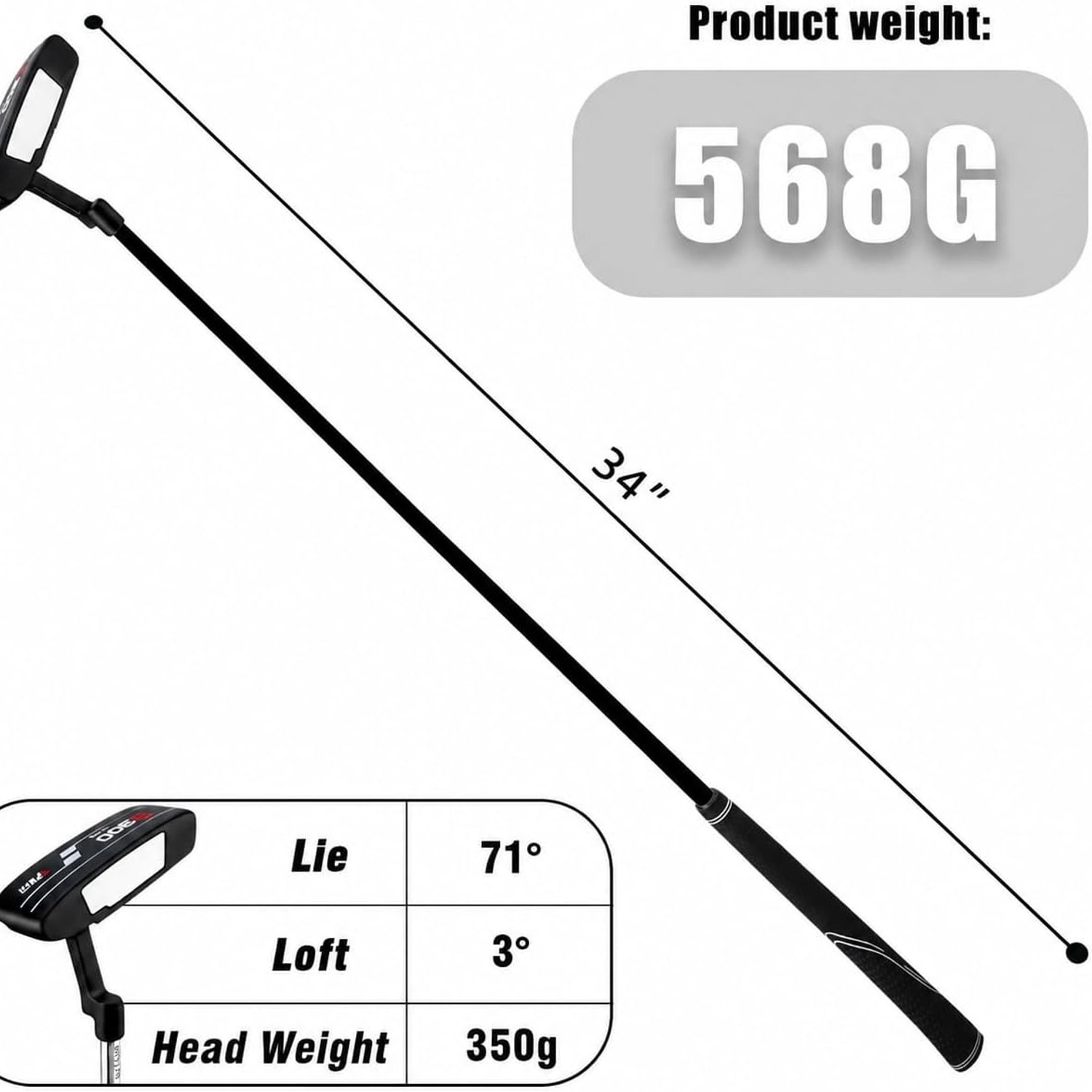
This Blade Golf Putter is a right-handed model with a 34-inch club length. It combines a stainless steel blade head, a graphite shaft and a rubber wrap grip. The face is milled and grooved, and the head weighs 350 g. Here is how to weigh those details against the way you putt.
Start with your current putting problem
Before comparing clubs, ask what you want to change. Perhaps your current putter feels too long, or you have never felt comfortable with its head shape. You may simply need a replacement with familiar measurements.
Be specific. A different head shape will not automatically solve poor pace control, and a new grip will not read a slope for you. A useful purchase gives you a club that fits your setup and feels comfortable enough to practise with.
If you already have a putter, write down its length and note what you like about it. That gives you a reference point. Without one, it is easy to mistake a different feel for a better fit.
Understand what this blade offers
This model has a blade head rather than a mallet head. Head shape is partly a matter of preference, especially when you look down at the club behind the ball. Some golfers like the look of a blade; others feel more comfortable with a larger head.
The maker describes this putter as having high forgiveness and a balanced feel. Those are maker descriptions, not measured comparisons with every other model. They are worth noting, but they should not replace a check of length and comfort.
This is also a right handed blade putter. Confirm your putting hand before ordering, even if you are buying for someone who plays other sports right handed. A person's preferred putting side is the detail that matters.
Check the 34-inch length first
Club length is one of the most useful facts in this pack. At 34 inches, this putter gives you a fixed measurement to compare with your present club. It is not a guarantee of fit for every golfer of a certain height.
Your stance, arm position and where you hold the grip all affect how a putter sits. If you feel forced to reach or crouch with your current club, do not assume that a small change in length will answer every concern.
A putter length guide can give you a starting point, but a fitting is more personal. If possible, try a club of the same stated length before buying. Pay attention to whether you can settle into your stance without making an effort to accommodate the club.
Keep club length and item dimensions separate
The details list both a 34-inch club length and item dimensions of 92.7 × 11.4 × 5.7 cm. These are separate entries and should not be treated as interchangeable measurements.
For fit, use the stated club length. The maker does not explain the method used to obtain the wider item dimensions. It would be unwise to use them to work out shaft length or head size.
This distinction also matters when shopping for storage or accessories. If an exact measurement is needed for a tight-fitting case or cover, ask for confirmation rather than inferring it from a general dimensions row.
Look at the face without expecting a shortcut
The stainless steel head has a milled grooved striking face. The stated aim is consistent contact and stable roll. That makes the face a relevant part of the design, but it does not remove the need to control the strike.
With any grooved face putter, your contact point and stroke pace still matter. So does the surface you are putting on. A face feature cannot promise that every putt will start on your intended line or stop beside the hole.
When comparing a milled face putter with your current club, focus on repeatable practice. Use a similar distance and surface, then pay attention to contact and pace. One holed putt tells you less than a series of comfortable, controlled strokes.
Make sense of the weight figures
The head weighs 350 g, while the shaft weight is listed as 113 g. The total item weight is 540 g. Each figure refers to a different part of the specification.
Head weight can help you compare models, but a number alone cannot tell you exactly how a club will feel in your hands. Grip, shaft and length form part of that experience too. Avoid choosing solely because one head is heavier or lighter than another.
This putter is described as balanced, but the maker does not specify a toe-hang measurement or state that it is face balanced. Those terms should not be assumed from a general description of feel. If a particular balance type is essential to you, seek confirmation before ordering.
Consider the shaft and grip together
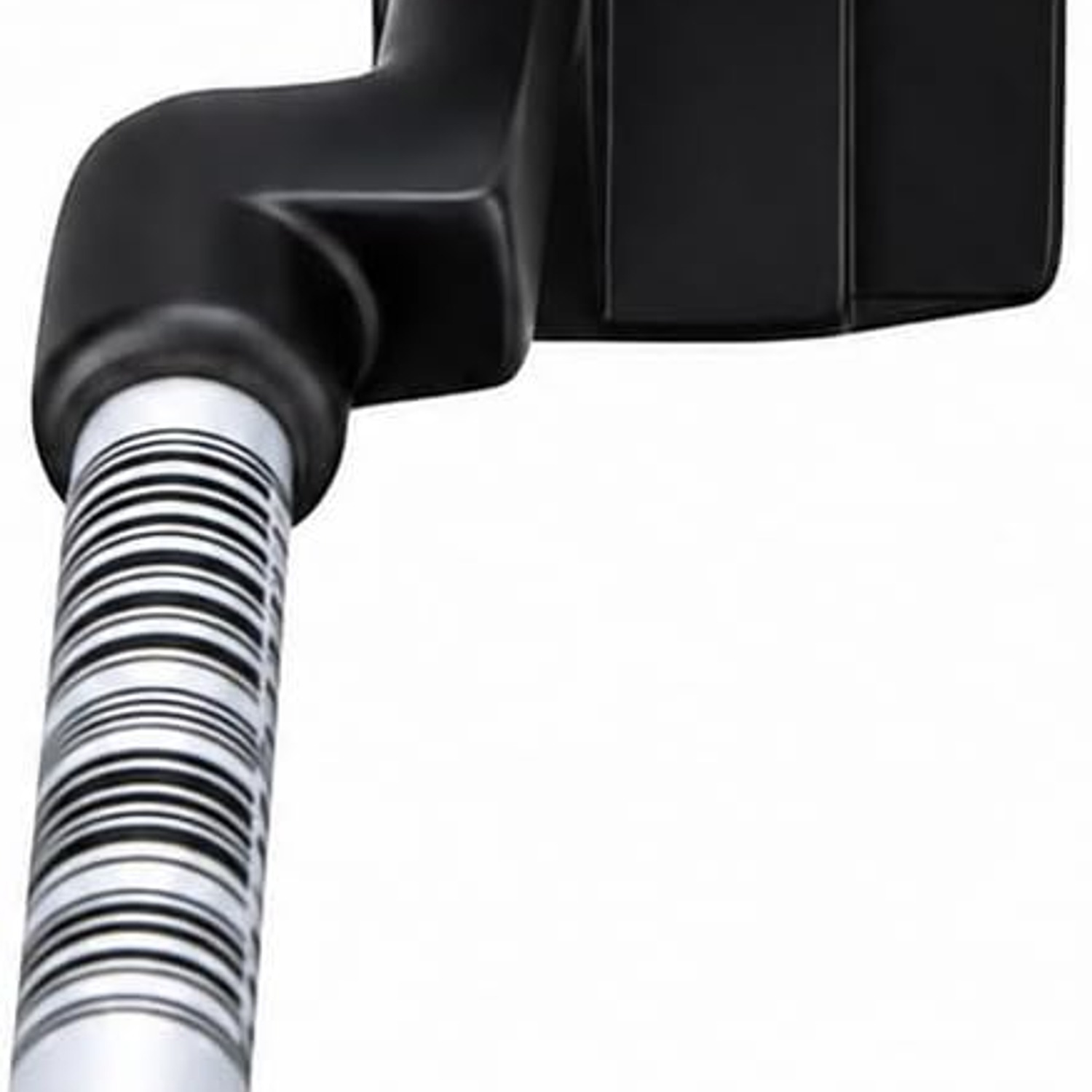
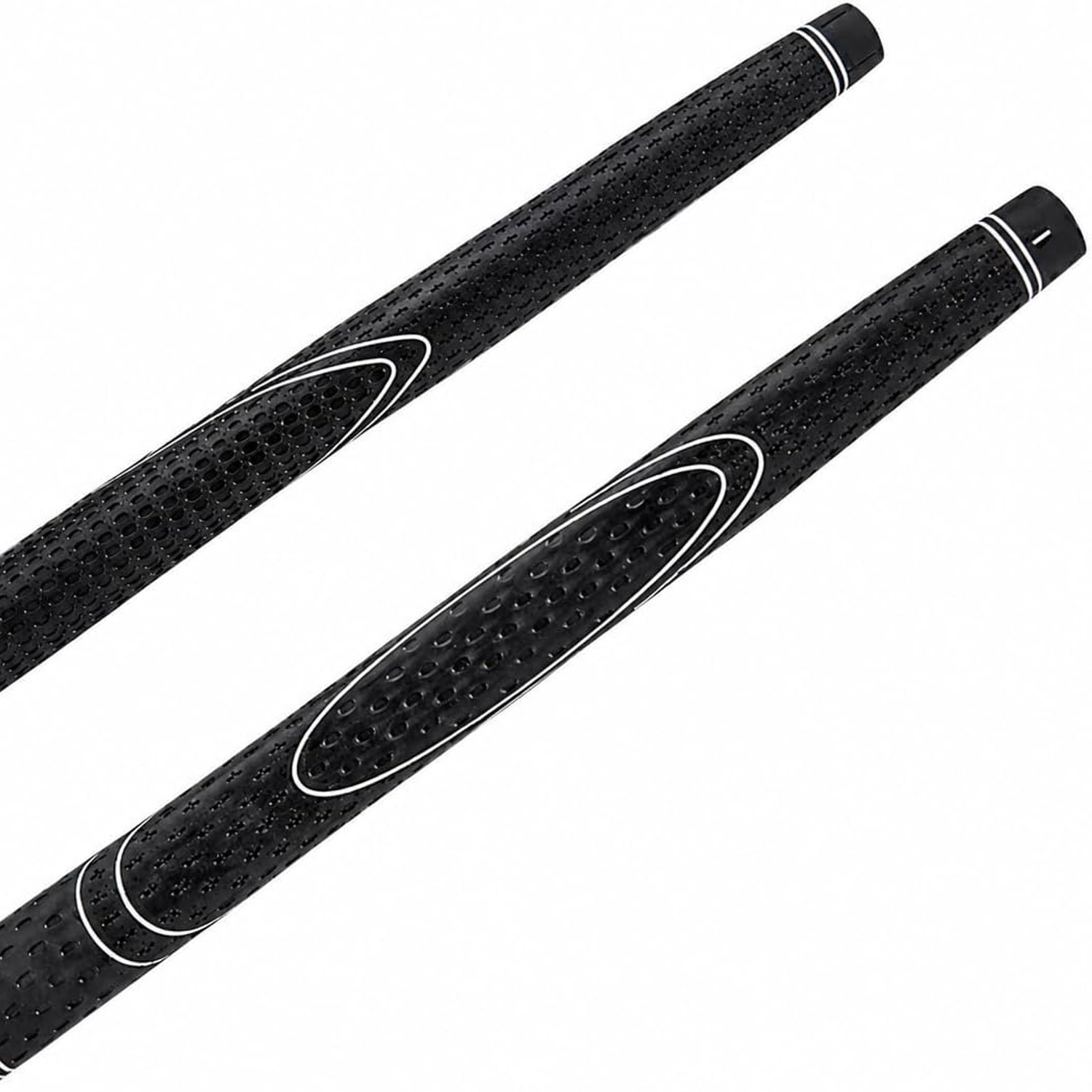
This is a graphite shaft putter with regular flex listed in the details. It has a rubber wrap grip described as non-slip. Grip diameter is not given by the maker, so there is no basis for calling it oversized or assigning a particular thickness.
A rubber grip putter still needs to feel comfortable in your hands. Consider whether you like a light hold, how far down the grip you place your hands, and whether your current grip shape suits you.
Do not choose shaft material as a stand-in for a full fit check. It is one part of the club, alongside length and head weight. If you have a strong preference based on a putter you already own, compare the complete specifications rather than one material label.
Check loft and lie if you know your fit
The listed loft is 3 degrees and the lie angle is 71 degrees. These figures are useful if you have had a fitting or know the measurements of a putter that works well for you.
If you have not, there is no need to guess what a small angle difference will do for your stroke. A fitter can look at the way you address the ball and explain whether the club sits appropriately.
Adjustable loft and lie are not specified. Do not assume you can change these settings at home. If alterations are important to your purchase, ask a qualified club professional about suitability before arranging any work.
Decide whether it suits your level
The stated recommendation is for mid-handicap golfers in the 10-19 range. That makes this a mid handicap putter option to compare, rather than a club reserved for one score range.
A developing golfer can still consider it if the right-handed setup and length suit. An experienced golfer may also prefer its blade shape. Handicap is only one broad guide and says little about a person's grip or address position.
For either player, sensible expectations help. A new club may give you a setup you prefer, but practice remains part of distance control and contact. Choose something you can settle over without constant adjustment.
Plan practice around a fair comparison
If you use it for golf putting practice, begin on a suitable putting surface with a simple target. Keep the task consistent enough to notice how the club feels rather than changing distance after every stroke.
Spend time on pace as well as direction. Short putts and longer rolls ask different questions of your touch. Give yourself time to become familiar with the head before deciding whether its feel suits you.
The pack lists one putter only. Balls, a practice mat and a headcover are not specified as included. Account for anything else you need, especially if this is your first putter or a gift for a new golfer.
Care for the face, grip and shaft
After play, wipe the head with a soft damp cloth. If dirt sits in the grooves, remove it gently with a soft brush. Dry the head before putting the club away.
Wipe the grip as needed and let it dry naturally. Avoid soaking the club or using abrasive cleaners. Regular light cleaning is a more sensible routine than leaving dirt to build up.
Store the putter somewhere dry and protect it from knocks in transit. A headcover may be useful, but none is confirmed in the supplied contents. Check accessory fit separately if you choose to buy one.
Buying as a gift and checking returns
For a gift, find out the recipient's putting hand and usual club length first. Those two details can rule out a poor match before appearance enters the decision. Their preference for a blade or mallet is also worth knowing.
Delivery timing is not stated by the maker, so check before ordering for a particular date. The stated UK change-of-mind terms allow 14 days from delivery, with the customer paying return postage. Rights under the Consumer Rights Act 2015 also apply.
The short version
Choose this model if you want to consider a 34-inch, right-handed blade with a 350 g stainless steel head, milled grooved face and graphite shaft. Check fit before focusing on the smaller details.
The useful question is not whether a putter can promise better scores. It is whether its length, shape and feel give you a setup you want to practise with.